


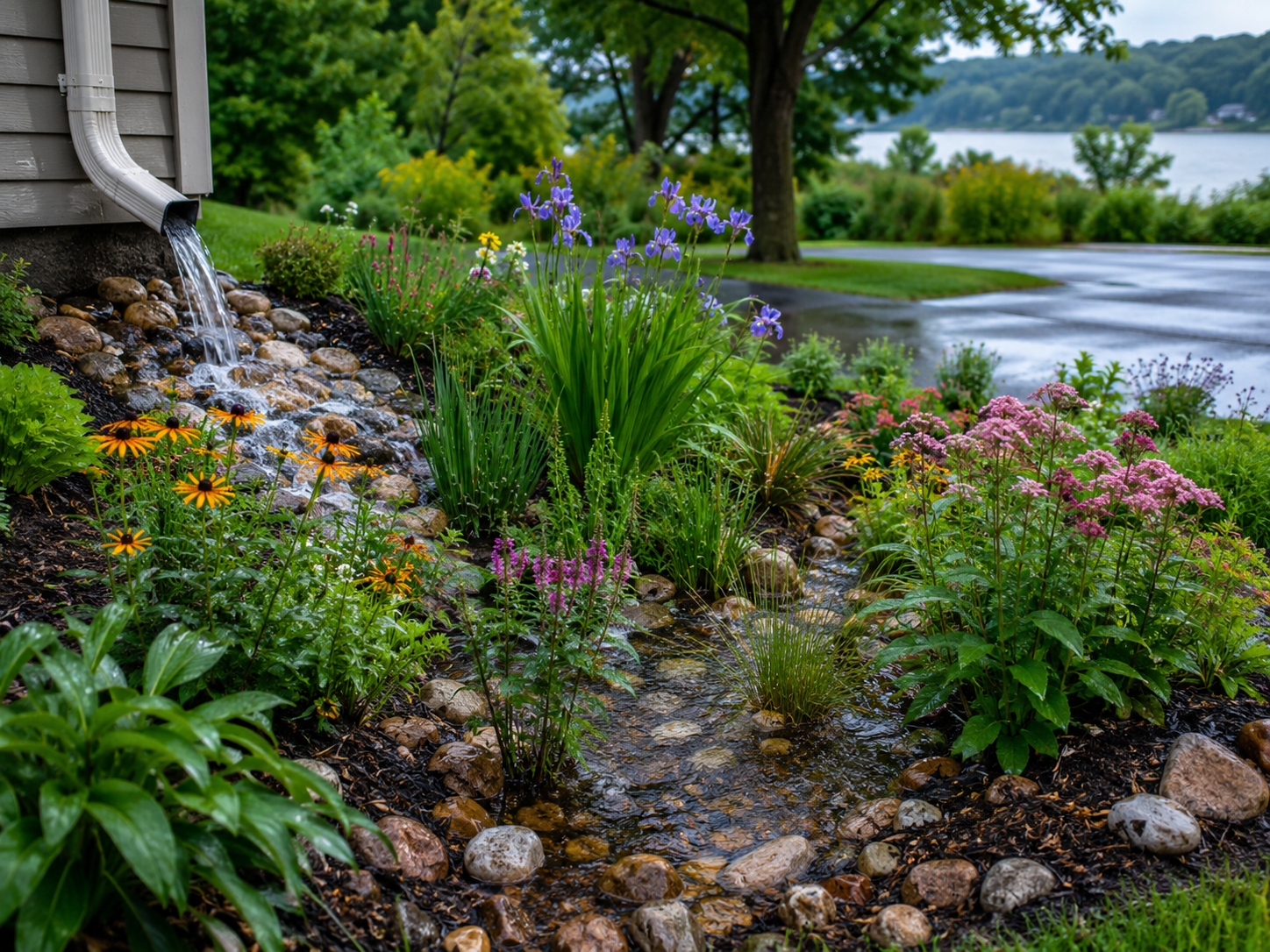
Stormwater Saviors: How Building a Rain Garden Helps the Bay
Every yard is part of a bigger watershed. Rain brings stormwater runoff that travels from your roof, various surfaces, and the street. On the way, runoff collects oil, pet waste, and fertilizers. Eventually, it dumps all the waste into nearby streams and, ultimately, into the bay.
A rain garden changes that by forming a shallow, bowl-shaped garden. Native plants and rain garden soil fill the garden. The garden captures stormwater runoff and soaks it into the ground. The soil and plants trap and filter all runoff before it reaches nearby streams, thereby supporting the bay.
Interestingly, rain gardens absorb 30% more water than a patch of grass. This is helpful for both your yard and the bay.
Pick the Right Spot
A good rain garden requires a good location. Look for the stormwater runoff and where water collects after a rain. The rain garden should also be at least 10 feet from your house. If it is closer, water can damage your home’s structure.
Before making a rain garden, call your utility services. They will check for any underground pipes or wires. They will mark the ground for you. This only takes a day and can help avoid many issues.
Prep the Soil
Good drainage starts with good soil. Dig down about eighteen inches and mix in sand and compost. The soil should feel loose and crumbly. Squeeze a handful. If it clumps, add more sand. You want water to sink in fast, not sit on top.
Here are three soil mixes that work well in rain gardens:
- Loamy sand: heavy on sand, light on silt and clay
- Sandy loam: a balanced mix with mostly sand and silt
- Silty loam: no sand, mostly silt with some clay
Each mix drains at a different speed. Pick the one that fits your local rain pattern.
Go Native With Your Plants
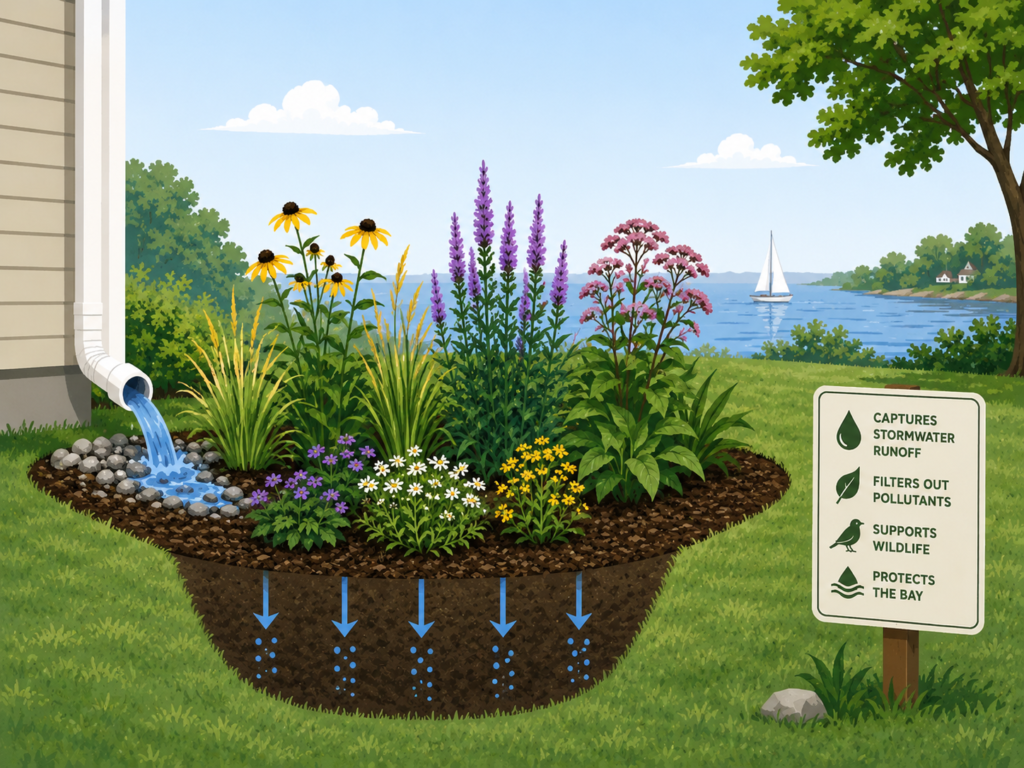
This part is actually fun. Native plants are the heart of any rain garden. They’ve adapted to your local area over hundreds of years. Their roots grow deep and pull water into the ground fast.
Plant taller, water-loving species in the center of the garden. Put drought-tough plants along the edges. The Native Plant Center website has a search tool to help you find the right species for the Chesapeake Bay area.
Some things to look for when picking native plants:
- Deep roots to pull more water into the ground
- Can handle both floods and dry spells all year
- Gives food or shelter to local birds and bugs
Exotic plants might look nice, but they often can’t handle the wet-dry cycles of a rain garden. Stick with natives. They’ll do the job and look great doing it.
Keeping It Going
Building a garden in a home’s backyard is hard work, and the first year is the most difficult. It takes a lot of watering to help plants grow, especially during hot patches. Weeding is crucial and should be done immediately to help stop a garden infestation. Weeds like to set up shop when fresh soil is added.
Luckily, after a year or two, a garden is mostly self-sustaining and requires little upkeep. Plants grow to fill open space and outgrow weeds, and little watering is needed. Weeding will help the garden’s drainage and should be done to remove old layers of mulch and dead leaves.
Your Yard Can Make a Difference
A rain garden is a small patch of land with a big job. It keeps dirty water out of the bay. When done properly, they help with drainage issues that can cause flooding and improve the aesthetic of a yard.
You don’t need a landscaping degree or a big budget to make it happen. All it takes is a good spot to dig and a shovel.
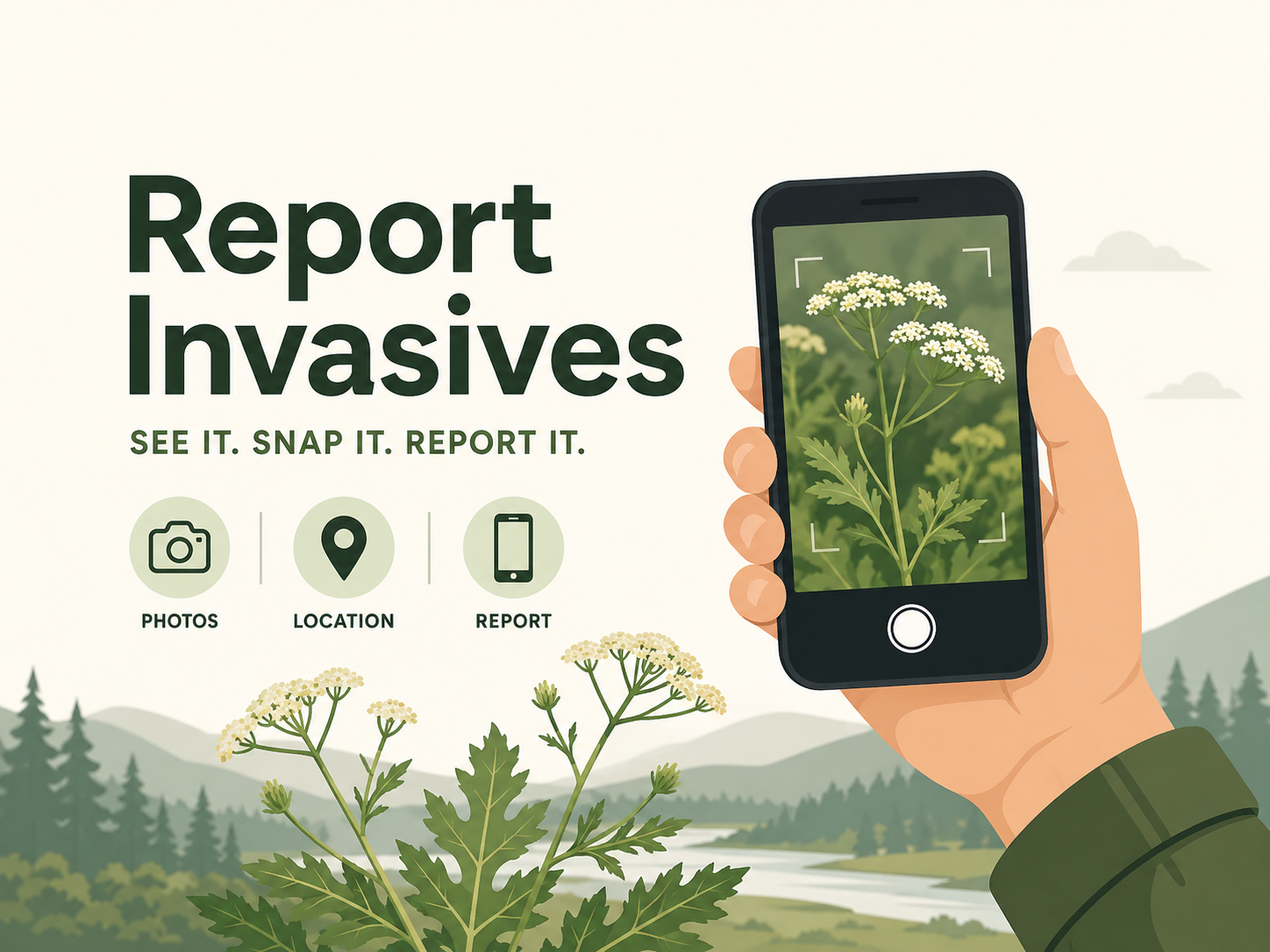
Volunteer Guide: How to Report Invasives (photos, locations, apps, tips)
Invasive species are good at slipping in unnoticed. They arrive like an uninvited guest at a party. Then they spread fast. Damage can pile up before anyone connects the dots. But you can help stop that chain. As a volunteer, you can spot early signs that others may miss.
Every sighting you report gives professionals a better edge. Scientists and land managers can take action sooner. Prevention is the key here. It saves money and even helps protect entire ecosystems. In due course, we will cover the steps to report invasives properly.
Make Sure You’ve Got the Right Plant or Animal
Before you report anything, take a careful look. You want to feel confident about what you saw. Notice the size first. Then check leaf shape and color. Look at what is growing nearby. The soil can offer clues. Nearby water sources can also help confirm what it is.
Not sure what you’re looking at? Use an app to help. iNaturalist is a great free tool. Take a photo to help you figure out what you found. A huge community of nature experts and scientists can also weigh in. For kids or beginners, Seek by iNaturalist is even simpler. No sign-up needed. Just point your camera and go.
Take Good Photos
A blurry photo won’t help anyone. Get close and get clear shots of:
- The whole plant or animal
- Leaves, flowers, or bark up close
- The area around it
Good photos turn your report from a “maybe” into a solid “yes.” That’s the kind of data that gets things done. And honestly, it only takes about 30 seconds.
Record Where You Found It
Location data is huge. Without it, a report is basically useless. Drop a pin on your phone map right where you saw the invader. If your app doesn’t do that on its own, write a clear description. Something like “along the north trail near the old bridge” works just fine.
Also note how much of it you saw. One plant? A small patch? A whole field? That info helps teams figure out how urgent the problem is.
Use the Right App to Report It
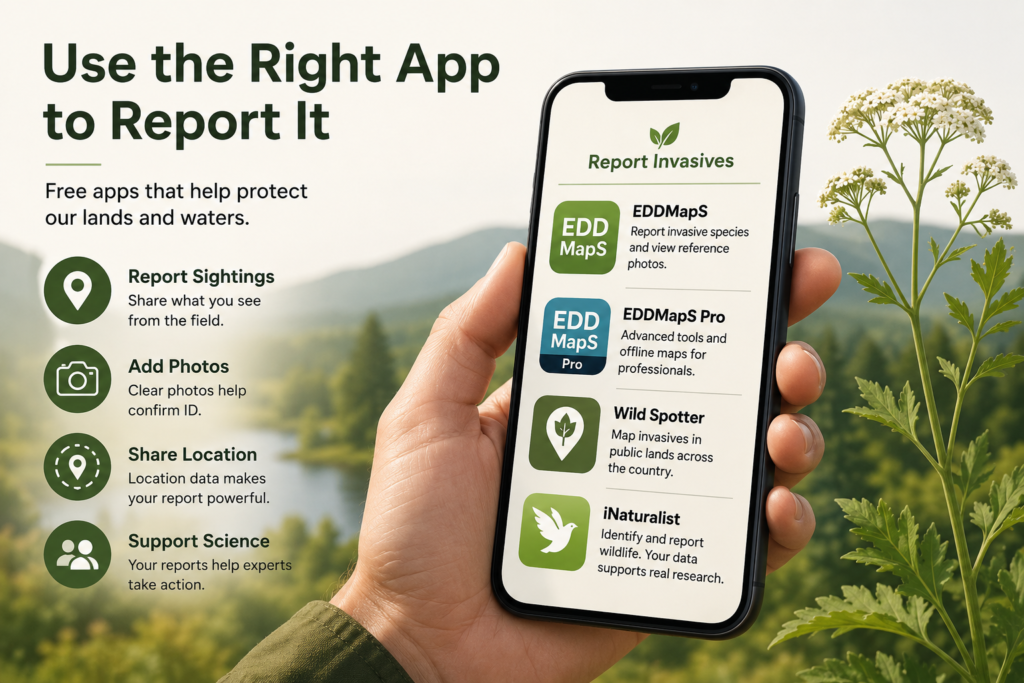
There are a few solid apps built just for invasive species reporting. All of them are free and work on Android and iPhone.
- EDDMapS by the University of Georgia: Submit sightings, add photos, and share location data from your phone in the field. It also includes reference photos of invasive species to help you figure out what you’re looking at.
- EDDMapS Pro: Built for professionals. Download offline maps for areas with no signal.
- Wild Spotter: A nationwide effort to map invasives in public lands. It connects directly to the EDDMapS database. Great for everyday volunteers who want to protect local trails and forests.
- iNaturalist: Great for spotting and reporting invasive wildlife. Your observations become real research data. Scientists across the country use it to study and protect nature.
Pick one and start with it. You can always try more apps later.
Contact Local Experts When It’s Serious
Some sightings need more than an app report. Spot something spreading fast near a farm or river? Reach out directly. Contact your state or local forest department. You can also try a nearby university or plant research center. They want to know about new or fast-spreading invaders.
Don’t second-guess yourself. Report what you see and let the experts check it out.
You’re Already Part of the Solution
The biggest hurdle is motivation. You need to make sure you understand your natural surroundings. You’ll see habitats and different kinds of wildlife you have never cared to look for before. If you love your natural surroundings, all you have to do to help invasive species is identify your location, snap a picture, and let an app do the rest. It helps monitor and assess invasive species.
Salt Marshes as Climate Shields: Storm Protection and Carbon Storage
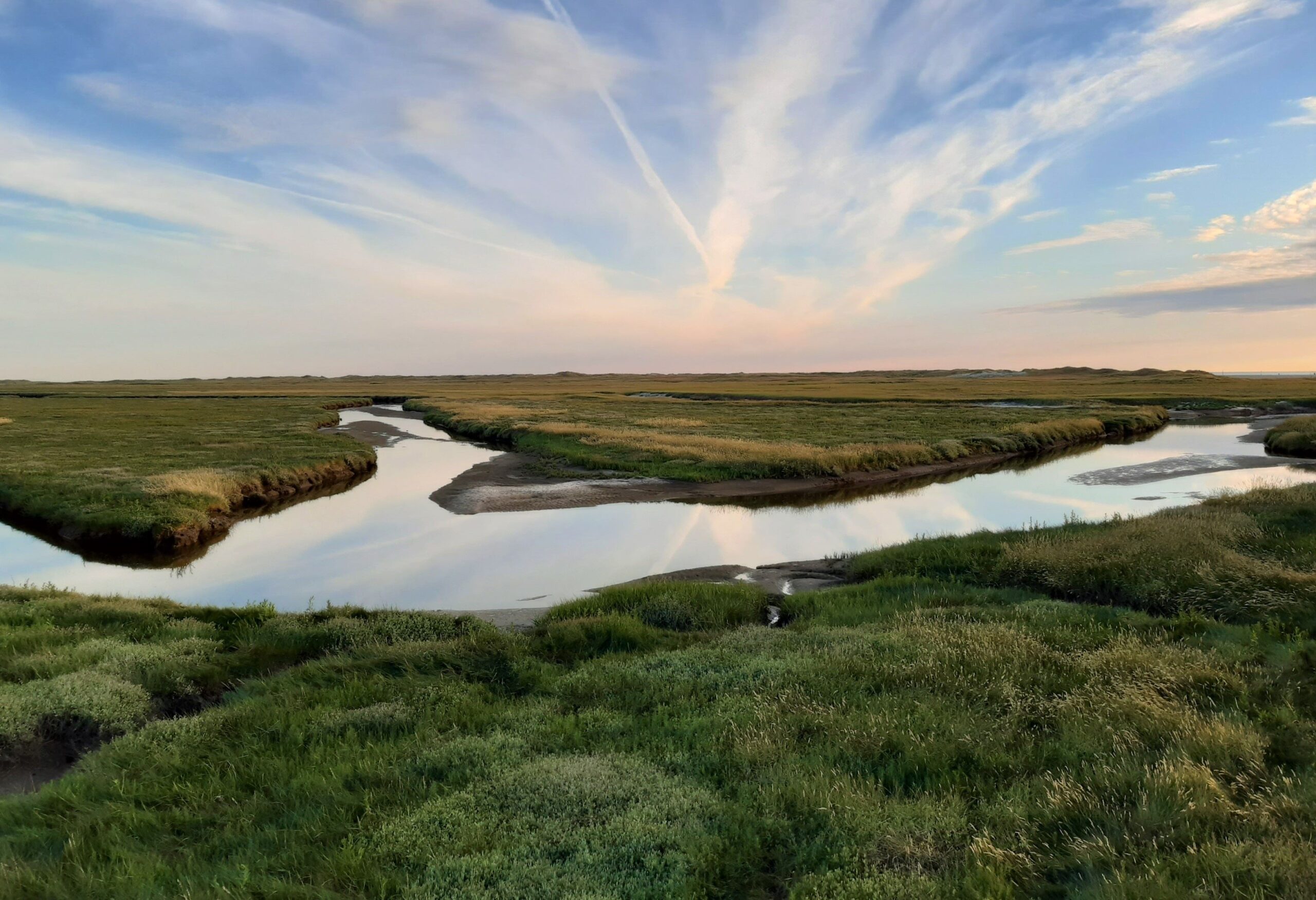
Salt marshes don’t receive the recognition they deserve because they are often overlooked and trampled. What some people see as stretches of muddy grass are ecosystems battling climate change.
These coastal wetlands are among the best climate shields we have. They do amazing things like protecting shorelines from storms and sequestering carbon into the ground, and they do this completely free of charge.
What Exactly Is a Salt Marsh?
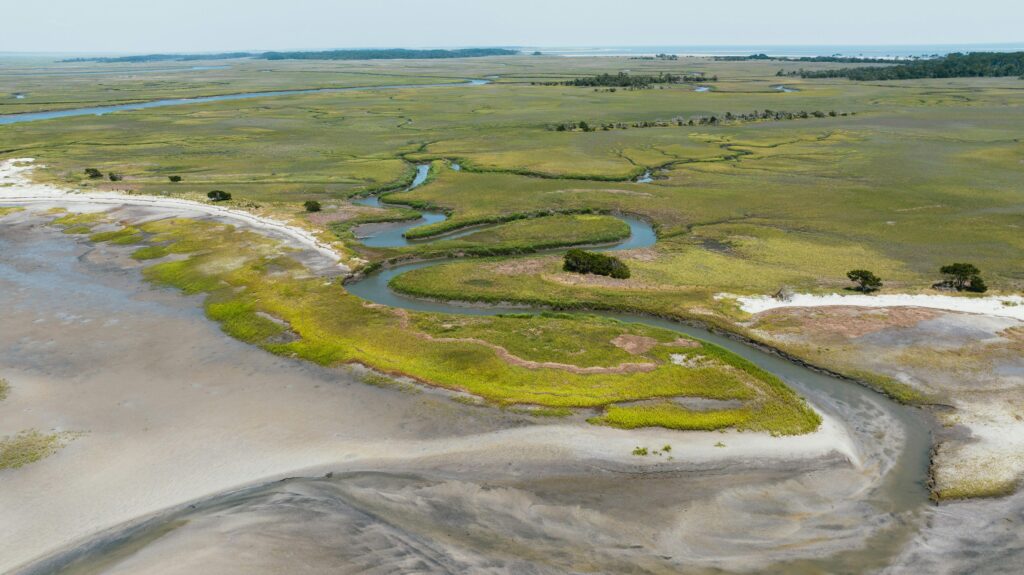
Salt marshes are located at the transition between land and sea. Salt marshes sustain tough plants and grassy environments and support regular tidal inundation that brings sediments and salt from the ocean.
They smell bad. They can look ugly. But they are one of the strongest ecosystems on the planet. They are not hard to find since they blanket protected coastlines and river deltas as well. Most people ignore them, and that is a shame.
How Salt Marshes Provide Storm Protection
When a storm surge rolls in, salt marshes take the hit first. They stand between the sea and everything behind them. Dense roots and thick plants slow down rushing water. Wave height and speed drop before the water ever reaches homes, roads, or farms.
Studies show a healthy marsh can cut wave height by up to 70% over a short stretch of coastline. That’s serious storm surge protection. And it costs nothing.
Here’s what they do for shoreline protection:
- They absorb wave energy before it hits dry land
- Deep roots hold soil in place and stop erosion
- They slow storm surges and cut flood damage
- They act as natural flood barriers for coastal communities
Coastal habitat restoration projects now intentionally use salt marshes as natural flood protection. It’s cheaper than sea walls and lasts longer, too. Coastal communities with healthy marshes nearby also tend to see less damage after big storms. The marsh acts like a living wall. One that gets stronger every year.
Salt Marsh Carbon Storage: It’s All in the Mud
This is where the story turns. Under every salt marsh lies a thick layer of dark, wet mud with very little oxygen. And that mud is packed with carbon.
When marsh plants die, they fall into the soil. On dry land, dead plants break down fast, and carbon is sent back into the air. But salt marsh soil stays wet and salty. Oxygen barely gets in. As a result, plant material breaks down very slowly. The carbon stays buried for hundreds or even thousands of years.
This is called carbon sequestration. Salt marshes are excellent at it.
Scientists call the carbon stored in coastal wetlands “blue carbon.” Salt marshes, mangroves, and seagrass beds store carbon at a rate ten times higher than tropical forests. Per acre, you get a huge amount of long-term salt marsh carbon storage.
One major study analyzed data from over 3,700 soil cores collected worldwide. It found tidal marsh soils hold around 1.44 billion metric tons of carbon in just the top meter of soil. To say it plainly, burning all that carbon would equal the energy use of over 700 million homes.
What Happens When We Lose Salt Marshes?
Salt marshes are arguably the most useful ecosystems. The combined impacts of coastal farming, coastal development, and pollution fully threaten salt marshes. When these marshes are drained, paved, and filled, all captured and calcified Carbon is lost.
Carbon continues to seep back into the atmosphere as CO2 and CH4, both of Which Are Greenhouse Gases. Marshes are destroyed for growing populations and the need for more land, but as these marshes are paved and filled, they lose their capacity to control the coast and become gushing sources of captured Carbon. It is a double loss of our economic, ecological, and coastal buffer.
Salt Marsh Restoration Can Turn Things Around
Here’s the bright side. Salt marshes bounce back well. Salt marsh restoration projects across the U.S. and beyond prove that when you let the sea return to drained land, the marsh recovers quickly. Carbon builds up again. Coastal resilience returns.
Organizations like The Nature Conservancy work with local communities on living shorelines. These wetland conservation efforts bring real results. Restored marshes cut flooding, support fish and birds, and pull carbon from the air year after year.
Every acre of coastal habitat restored is one more acre doing its job.
A Simple Point
When you go to the coast next time, try to spot the grassy marshes. If you see muddy areas with curling creeks, you have found it. You are looking at a functioning salt marsh. They have been silently defending land and gathering carbon for many years.
We still have the opportunity to protect these marshes. Salt marsh restoration is highly effective and one of the best options for addressing both climate change and flooding; we just need to stop destroying these areas.
What E. coli and Enterococcus Results Actually Mean for Swimmers
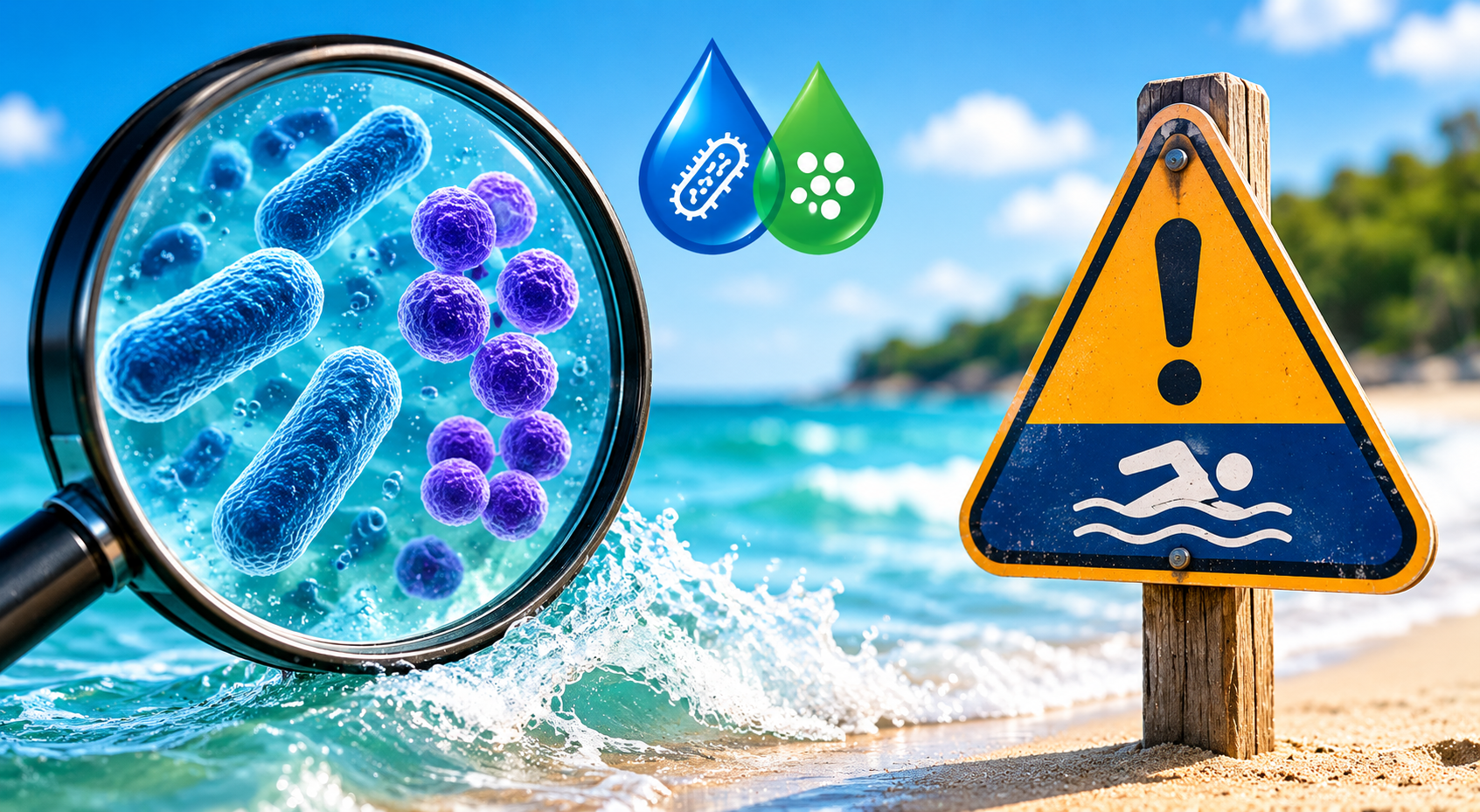
When you get to the beach, you want to lay down your towel, put on sunscreen, and take your first swim of the day. But then you see a “Water Advisory” sign. You deserve a straight answer. You want to know if it is safe to swim in.
For testing beach waters, two common bacteria are E. coli and Enterococcus. Both bacteria inform health officials that water has been contaminated with feces. Yes, it’s gross, but there is no guesswork in the data. The bacteria count determines when swimming is safe and when staying out of the water is recommended.
What Is E. coli?
E. coli lives in the guts of people and animals. Most types are totally harmless. But high levels in water are a red flag. They signal that fecal waste found its way in. That waste can carry other harmful germs too. E. coli is basically a sign that something dirty got in.
Health officials test freshwater beaches, like lakes and rivers, for E. coli most often. High counts trigger advisories. Sometimes officials close the beach entirely until the numbers come back down.
What Is Enterococcus?
Enterococcus is another type of gut bacteria. Health agencies use it as their main test for ocean and saltwater beaches. It tracks swimming illness better than other bacterial tests do. So at a coastal beach, Enterococcus is the number driving any advisory you see posted.
Any Enterococcus level above 104 per 100 mL allows a local health department to issue a warning. The EPA sets longer-term standards as well. For a multiple-sample assessment, the average must remain below 30 per 100 mL. No single sample may exceed 110 per 100 mL. Hit those limits too many times, and a beach could face a longer-term closure.
Where Does the Bacteria Come From?
Fecal bacteria don’t appear out of thin air. Common sources include:
- Old or broken septic systems
- Sewage overflows after heavy rain
- Stormwater runoff carrying animal and pet waste
- Waterfowl, livestock, and animals near the shoreline
- Leaky diapers from small children in the water
Rain is a big trigger. After a heavy storm, waste washes off the land and straight into the water. That’s why advisories pop up so often the day after a big rain. Water can bounce back fast, but give it at least a day before you wade in.
Can It Actually Make You Sick?
It can, yes. But swallowing water is the real risk. Just splashing around carries much less danger. Some people face more risk than others. Kids, older adults, and anyone with a weak immune system should be extra careful around flagged water.
Health effects can include:
- Diarrhea
- Ear infections
- Skin rashes
- Respiratory issues
- Kidney damage in rare and serious cases
What About Fish?
Bacteria in the water does not harm fish or make them unsafe to eat. The fish are fine. Just clean, store, and cook your catch properly before eating it. That’s smart practice regardless.
How to Protect Yourself
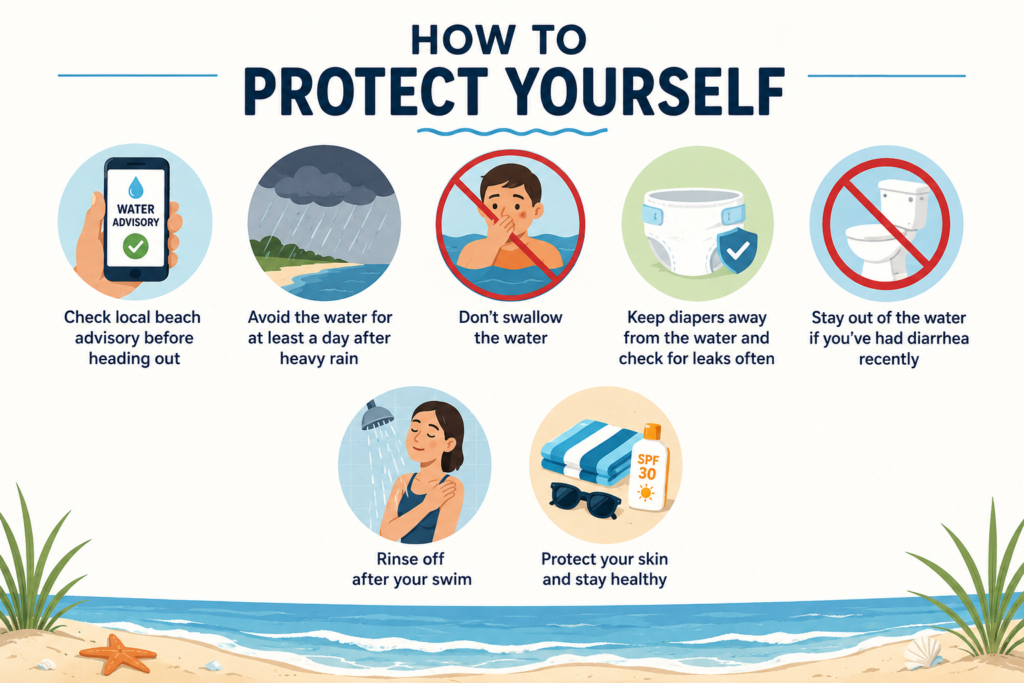
A few simple habits go a long way:
- Check your local beach advisory before heading out
- Avoid the water for at least a day after heavy rain
- Don’t swallow the water. Seriously.
- Keep diapers away from the water and check for leaks often
- Stay out of the water if you’ve had diarrhea recently
- Rinse off after your swim
These small steps can save you a rough few days with stomach trouble.
The Bottom Line
A beach advisory is not a warning that the water is gone for good. It is a short-term signal. The bacteria count is too high right now. The good news is that it usually does not last long. Levels often return to normal within a day or two. This can happen once the water clears after rain.
Most people never hear how common fecal bacteria is in swimming water. That is why one habit matters so much. Check local water quality reports before each visit. Now you know what the test results mean. You can make a smarter call before your next swim.
Eelgrass Meadows: The “Underwater Forests” That Protect the Bay
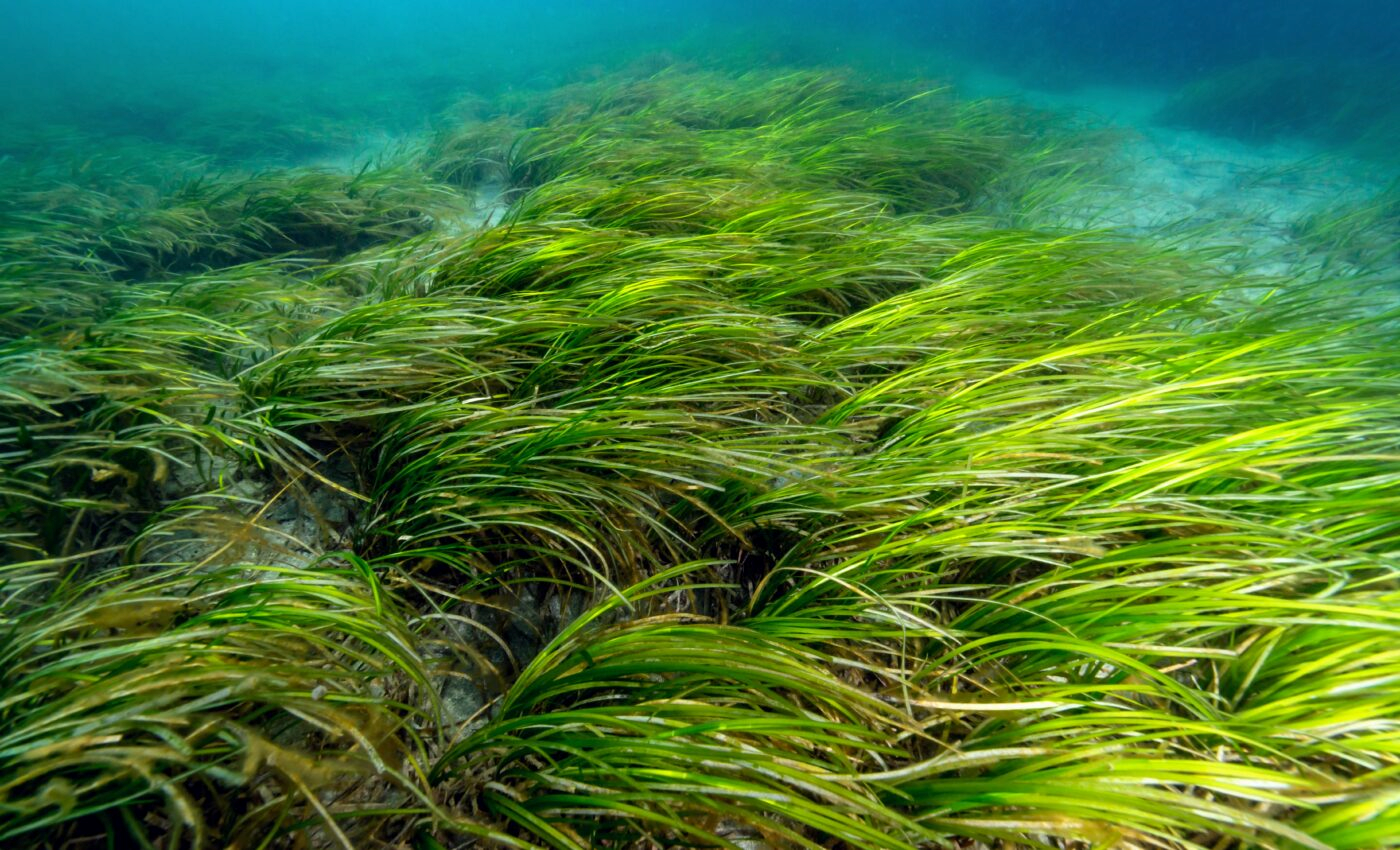
Most people miss it. Eelgrass meadows grow just below the water’s surface and do important work each day. Their subtle movements and contributions deserve more recognition. Eelgrass meadows are ocean secrets that deserve our appreciation.
What Exactly Is Eelgrass?
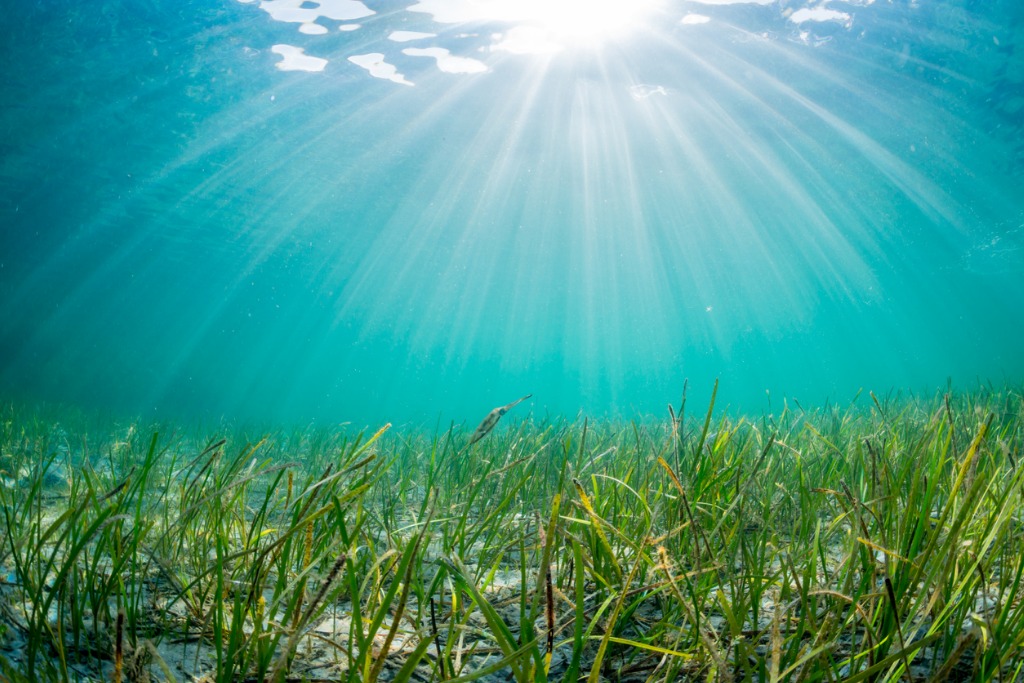
Eelgrass is not seaweed. But it is a flowering terrestrial plant that grows in the water. It is unlike most plants. Eelgrass anchors itself in the sea floor with its leafy stems and roots. In due time, eelgrass can fill submerged meadows. It spreads its lush greenery just below the surface.
Places like Coos, Yaquina, and Tillamook Bays in Oregon are nutrient dense and receive a lot of sunlight and are thus optimal locations for seagrass meadows to form.
Everything Lives in There
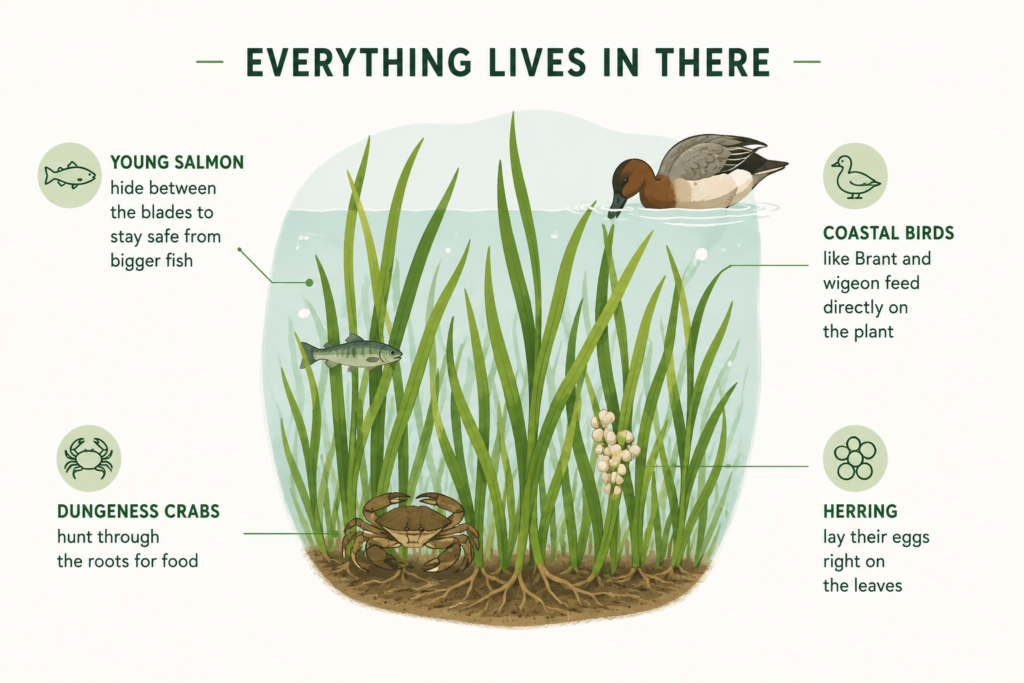
The eelgrass habitat acts like a nursery for sea life. All kinds of creatures depend on it:
- Young salmon hide between the blades to stay safe from bigger fish
- Dungeness crabs hunt through the roots for food
- Herring lay their eggs right on the leaves
- Coastal birds like Brant and wigeon feed directly on the plant
Eelgrass also cleans the water around it. It traps dirt and soaks up extra nutrients that would otherwise cause harmful algae blooms. A cleaner bay ecosystem benefits everyone from fishermen to families who swim there in summer.
It Fights Climate Change
Eelgrass stores carbon like a hardworking sponge. It pulls carbon dioxide out of the air. Then it traps that carbon deep in the mud beneath it. Scientists call this “blue carbon.” Coastal plants like eelgrass, mangroves, and tidal marshes store carbon at about three times the rate of land forests. Three times.
Eelgrass also helps keep the sea floor steady. Its roots hold the ground in place. Less erosion happens over time. Shorelines also get more protection from storm waves. So I see it as one plant with many jobs. It feeds wildlife. It cleans the water. It also shields the coast all at once.
The Threats Are Real
Eelgrass is disappearing fast. Pollution is a major cause. Coastal development is also harmful. Dredging can remove whole patches. Rising water temperatures can stress these meadows for long periods. Invasive species like the European green crab dig into the sea floor. Eelgrass beds are damaged and destroyed. In parts of Oregon, eelgrass cover has dropped by more than 80%. Around the world, we lose about two football fields of seagrass every single hour.
Oregon has also lost more than half of its total coastal habitat. That is a serious hit. Marine biodiversity is reduced. The bay ecosystem is thrown off balance. Many species depend on it.
Restoration Is Possible
Eelgrass can fully regenerate. In the Chesapeake Bay, restoration of seagrass led to 9,000 acres of eelgrass and also rebuilding the entire food web. In the Puget Sound, shoreline reinforcement worked in eelgrass bed rehabilitation. All of this is evidence of the success that eelgrass restoration can have when the effort is made.
There is a lot of room for improvement in the protection and restoration of marine meadows, and the same goes for the monitoring and the coordination. What remains needs to be protected now. What was lost can be restored.
Eelgrass meadows have served their purpose for a long time. It is time for us to do the same.
The Hidden Link Between Forests and Clean Water
Nature’s Water Filter
People usually admire forests because they contain diverse life forms and stunning beauty while their essential ability to purify water stays beneath the general awareness. Forests through their natural filtering action contribute substantially to preserving water quality that serves both wilderness and human settlements alongside all creatures. The water filtration process works through trees and forest soil which absorb rainwater before releasing it at a controlled pace into water reservoirs. The natural water filtration system results in constant clean water delivery while making water treatment facilities unnecessary. The amount of forested land in a watershed determines both the simplicity and affordability of water treatment systems therefore forests provide essential value for public health and municipal financial management.
Preventing Pollution and Erosion
Regulating the Water Cycle
The water cycle depends heavily on forests for its regulation process. The evapotranspiration process enables trees to extract soil water which then condenses into clouds that eventually form precipitation. The rainwater slows down when it passes through forest canopies which enables groundwater recharge through absorption. Through this process water supplies remain steady during dry times while heavy rain floods become less likely to occur. The stability of the water cycle declines after forest destruction causes the occurrence of more frequent droughts and floods and unpredictable rainfall patterns which affect agricultural production and water availability outside forest territories.
Economic and Environmental Benefits
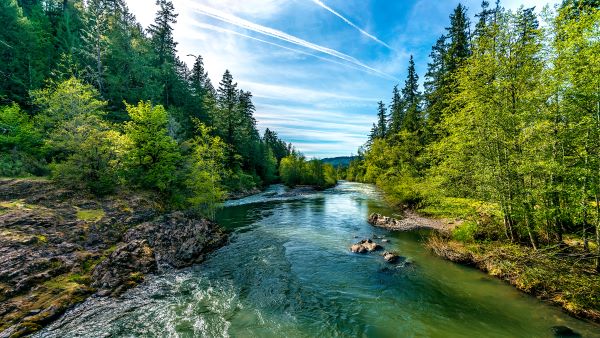
Clean water depends on forest preservation since this connection exists both environmentally and economically. Forests in good condition lead to substantial reductions in the expenses cities and towns face during water treatment processes. Some municipalities have prevented the need for expensive filtration facilities by maintaining their forested watersheds and this has produced both financial and water quality benefits worth billions of dollars. The social value of forests expands because they enable recreational use as well as sustain fish stocks and retain wilderness habitats for different species.
The Cost of Deforestation
Forest clearing operations for agricultural and urban development purposes result in quick and major water quality deterioration. Water sources become contaminated through excessive runoff combined with soil degradation and water pollution which threaten both human drinking water and aquatic ecosystems. Communities become less secure against both flooding and drought conditions after forest loss because forest conservation acts as a vital strategy to ensure water safety.
Conclusion
Forests maintain a direct relationship with clean water resources. The environmental filtration mechanisms of forests work in unison with stabilized water systems to minimize pollution and management expenses which protect our fundamental water source. Forest conservation and restoration initiatives simultaneously protect nature and directly safeguard water quality for daily needs and healthy living in communities.

Watershed to Table: How Clean Water Sustains Local Food and Fisheries
The Lifeline of Local Food Systems
Every thriving fishery, together with a successful local food system, depends on clean water as its essential foundation. Water quality and availability, starting at high watershed elevations, determine crop productivity, livestock safety and sustainability, and aquatic life health. Rainwater that passes through healthy watersheds is filtered and stored as a dependable source for irrigation, livestock, and aquaculture. Community members achieve greater food security through high-quality watershed management practices that create better livelihoods and support lasting local economies.
Agriculture: Growing Food with Clean Water
Farmers require clean water for agricultural operations beyond crop and livestock hydration, as it enables them to produce safe, high-quality food products. The use of pure water in agricultural irrigation promotes beneficial plant growth and increased production while minimizing the risks of harmful substances and disease contamination. Contamination of water sources leads to crop contamination with harmful residues and waterborne diseases that affect livestock, threatening both food safety and public health. Maintaining forests alongside erosion prevention in watersheds produces clean water sources, leading to increased food production and secure food consumption.
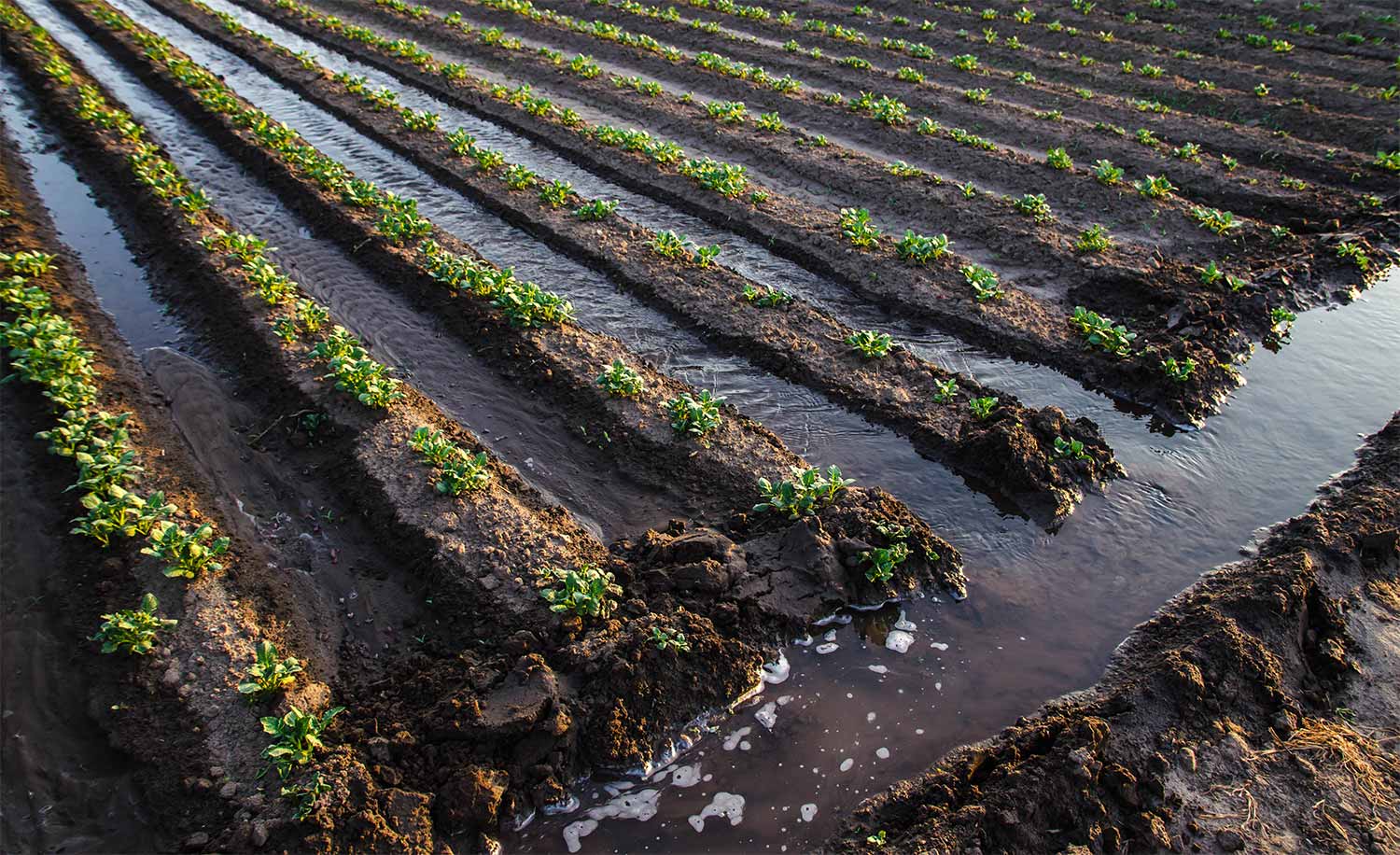
Smallholder farmers specifically achieve advantages from well-managed watersheds. Watersheds store rainwater, providing drought protection during periods of water scarcity in various regions. Stable farming conditions enable both nutritious food for local family members and farmers to market additional yields, strengthening rural economies and advancing community health.
Fisheries: Clean Water, Healthy Harvests
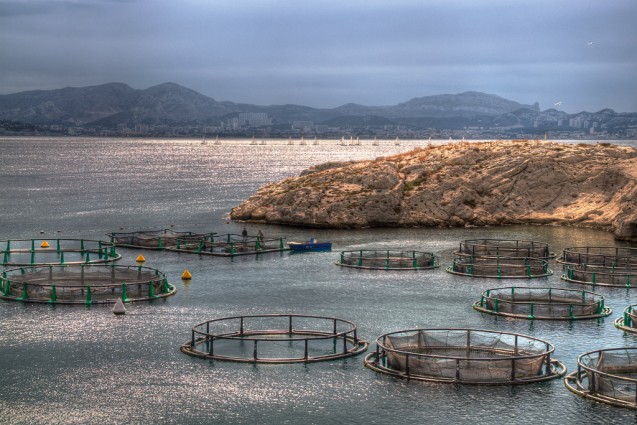
The success of fisheries, together with aquaculture operations, depends entirely on water purity. Nurseries for commercially important fish and shellfish species occur in estuaries, rivers, and coastal bays. Clean water conditions help sustain high population levels in these environments, providing stable protein resources and income for residents. The combination of agricultural runoff and industrial waste, along with sewage pollution, leads to aquatic environments receiving excessive nutrients and heavy metals, and to contamination by pathogens, creating fisheries events that include harmful algal blooms and dead fish, as well as unsafe seafood contamination. The effort to keep pollution out of upstream watersheds remains essential to achieving safe seafood and healthy fisheries.
The Interconnectedness of Water, Food, and Community
The water cycle that leads food from its watershed to dining tables demonstrates how land depends on water for the benefit of human communities. Water quality is affected by food system operations, including crop farming, livestock breeding, and fish cultivation, creating a management challenge. Thorough implementation of sustainable watershed practices, with a focus on riparian buffers, reduced chemical use, and waste management, supports water quality maintenance for communal use.
Safeguarding the Future
The investment in clean water, along with healthy watersheds, develops into fundamental protection for food security alongside public health outcomes and targeted economic development. Protected watersheds will secure local food and fisheries sustainability in the coming years as climate change and population growth continue to intensify. The fundamental ingredient for maintaining our food supply and community strength runs from agricultural fields to fishing boats, thanks to clean water.

A Day in the Life of the Bay: Exploring the Natural Rhythms of Narragansett Waters
Tides: The Pulse of the Bay
From the first blush of sunrise over the calm surface to the hush of twilight as the moon rises, Narragansett Bay pulses with a rhythm set by the tides. The ocean waters experience a regular semi-diurnal cycle, generating two high tides and two low tides every 24 hours and 50 minutes. The gravitational forces of the moon and the sun generate a natural bay-wide timing system that controls every aspect of life in the bay.
The tide is at its lowest point during early-morning spring days, revealing the mudflats and rocky outcrops. The feeding grounds attract large numbers of shorebirds who use their bills to search for worms and shellfish that remain after the water has withdrawn. The bay continues flooding as the morning progresses, reaching its peak at high tide late morning. During high tide, the rising water level reaches four feet above low tide, submerging the flats and delivering new nutrients, along with plankton, to the estuary. Fish, along with crabs and other marine creatures, use the incoming waters to access fresh feeding grounds.
Sunlight, Moonlight, and the Changing Sky
The movement of sunlight throughout the day and changing light patterns function as essential elements that match the tidal cycle of the bay. The bay receives golden illumination from the early April sunrise, which begins at 5:45 AM, signaling the start of both wildlife and human activity. The water’s surface becomes a stage for fishermen and kayakers while gulls produce their initial calls during this time. The bay surface mirrors the changing sky as the sun reaches its peak.

The bay enters a calm state at 7:42 PM during the late April sunset period. The exposed sandbars and tidal pools during low tide attract crab seekers among children while families walk the shoreline. As the deepening dusk deepens, the moon emerges, showing either a slim crescent or a brilliant full form, creating a silvery pathway across the water. The combination of sunlight and moonlight serves as a navigational guide for tides and simultaneously controls the conduct of various ocean creatures, including fish spawn and night-flying birds.
The Tidal Clockwork and Its Influence
Narragansett Bay tides are monitored at various points throughout the waterbody, but each location shows minor differences in timing and height. The tidal range increases from 3.6 feet at the mouth of the bay to 4.6 feet at its head. The bay’s productivity depends entirely on this predictable water-level pattern, which serves as its fundamental operating force. The system experiences two daily water movements that distribute nutrients and oxygen and support tiny organisms, creating abundant food webs and healthy habitats.
Neap and spring tides occur every 14.8 days across the bay, which creates yet another natural rhythm for the bay to follow. Natural cycles control actions such as navigation and fishing, and determine when marsh plants grow and when shorebirds build nests.
Life in Sync with the Bay
People who spend time in the Narragansett Bay area naturally observe its recurring patterns. People must wait for the tides to determine suitable times for launching boats, as well as for shellfish harvesting and fishing. The habitats that support wildlife, along with the water-based recreational activities, exist because tides shape these coastal areas. The bay operates on its own natural time cycle, from sunrise to sunset and back, which reflects the ancient relationship between earth, water, and sky that shapes the daily experience of the Narragansett waters.

The Role of Citizen Science in Watershed Protection
Expanding the Reach of Water Monitoring
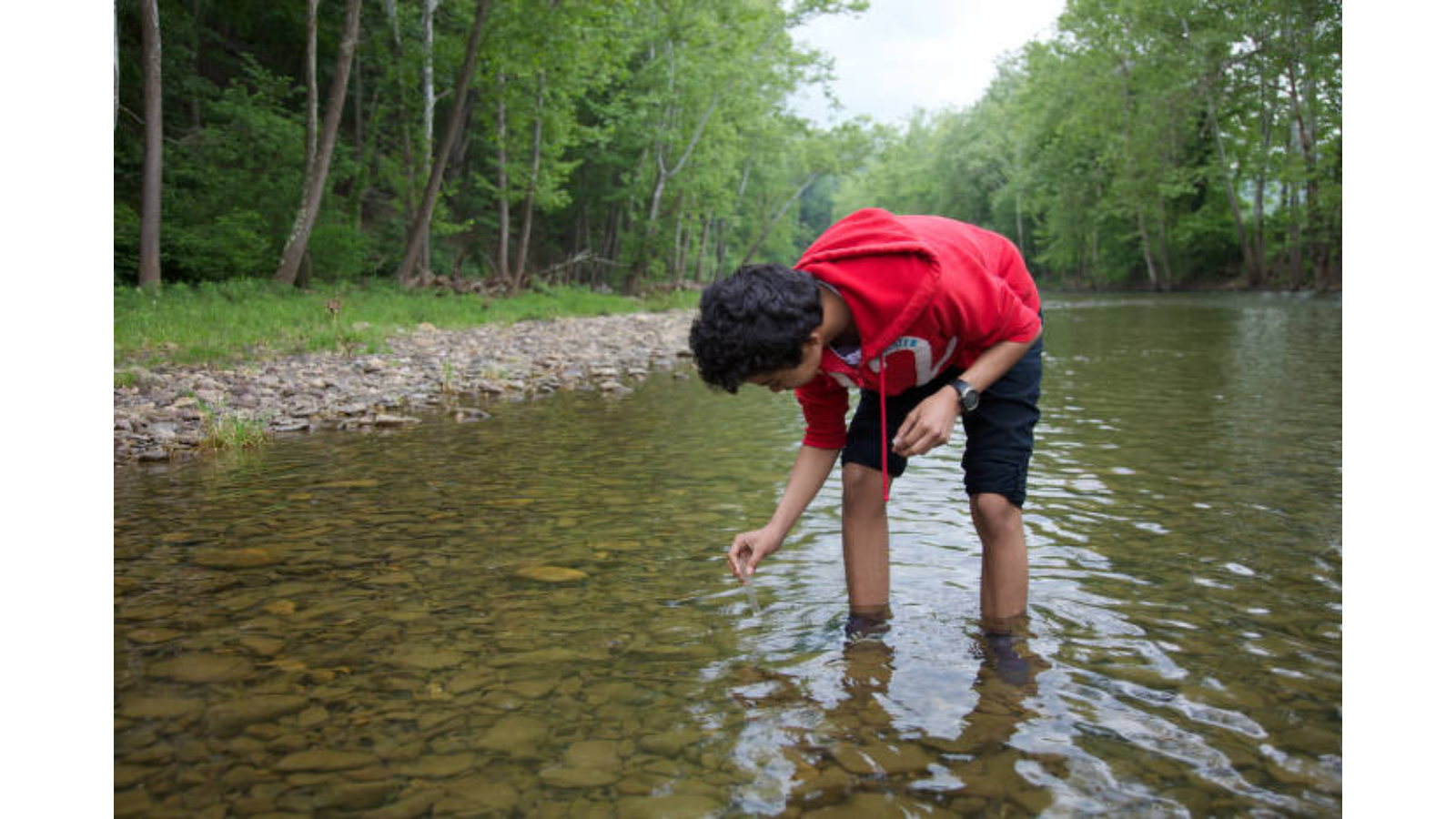
Daily citizens are reshaping watershed protection through their actions of gathering water-quality data and their ability to process and distribute this significant information. Government agencies, along with scientific experts, have traditionally managed water monitoring, but many streams, lakes, and rivers remain without testing due to resource constraints. The scientific involvement of citizens enables monitoring of local water bodies, significantly increasing the temporal and spatial coverage of water-quality data. Local community involvement enables scientists to assess water conditions across entire watershed areas, resulting in enhanced spatial and temporal water-monitoring data.
Detecting Pollution and Informing Action
The core benefit of citizen-science participation is the prompt identification of environmental hazards and their sources. Regular testing of water indicators, including dissolved oxygen, pH, temperature, and bacteria, allows volunteers to detect irregular changes, which leads them to report chemical spills and illegal dumping. The quick response capabilities of environmental authorities improve following timely reports from citizen scientists, thereby reducing negative effects on ecological systems and public health. Multiple observations from citizen scientists help authorities design more effective pollution mitigation approaches and identify pollution hotspots, enabling focused, efficient intervention.
Empowering Communities and Fostering Stewardship

Data collection through citizen science is only one aspect, as the initiative fundamentally depends on human participation. Participating communities in watershed monitoring lead to a better understanding of water quality problems, train participants in science, and develop their environmental protection habits. Understanding of the local environment increases when people from all walks of life participate in direct monitoring activities, turning them into protectors of their surroundings. The combination of ownership and responsibility leads people to maintain a lifelong dedication to water resource conservation and to develop common actions to protect these assets for future generations.
Enhancing Scientific Research and Policy
The information gathered by civilian scientists is essential for scientific analysis and further assists government decision-making. Widening citizen science sampling frequency and geographic coverage helps complete essential scientific data collection, verify satellite observations, and sustain monitoring analysis. Watershed management receives direction from these broad-ranging datasets, restoration efforts benefit from them, and pollution control performance is evaluated through them. When official monitoring programs integrate citizen science data, they significantly enhance their contributions to environmental policy development and resource management decisions.
Leveraging Technology and Collaboration

Modern technology has simplified the integration of mobile applications and user-friendly testing kits with online platforms, giving volunteers efficient tools to collect water-quality data that they can easily record and share. Training workshops, together with community-based programs, equip citizen scientists with the skills needed for high-quality data collection. Watershed protection through citizen science is more successful when formal collaboration among local organizations, academic institutions, and government agencies is in place.
Conclusion
Through citizen science, watershed protection becomes more effective by increasing monitoring capabilities, speeding up threat response, and fostering community environmental stewardship. Thankfully, citizen scientists serve as essential connectors between expert scientists and public participation, protecting watershed health and ensuring the availability of clean water for human populations, alongside wildlife and future inhabitants.
Recreation and Risk: The Science Behind Beach Closures
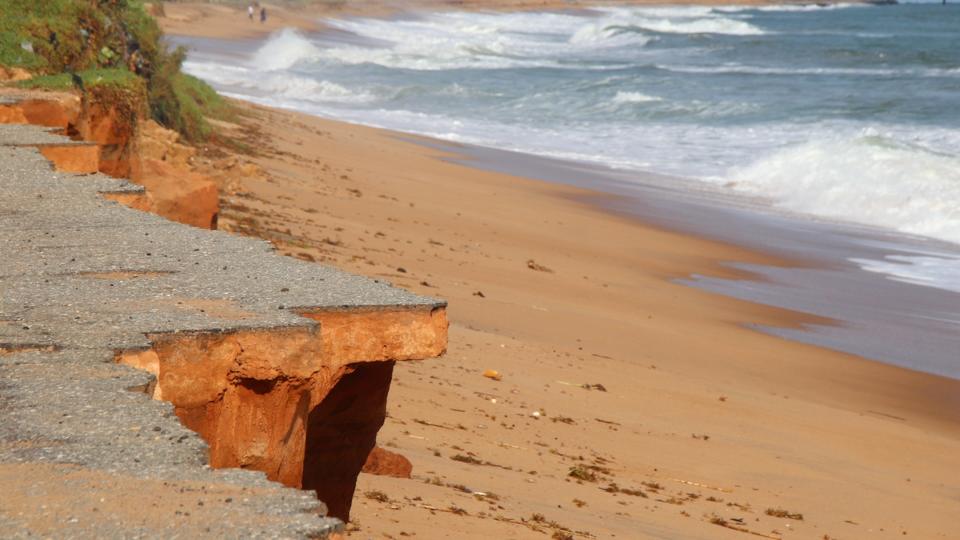
Coastal communities, together with their visitors, experience beach closures as familiar yet annoying events mainly during the summer season. Every beach closure results from scientific procedures that protect public health by detecting hidden water-based threats. The scientific processes behind beach closures demonstrate how officials manage recreation and safety risks through advancing technological methods for swimmer protection.
The main reason for beach closures is hazardous bacterial concentrations, primarily fecal indicator bacteria such as E. coli in freshwater and enterococci in saltwater. The bacteria act as indicators of whether harmful pathogens are present, which could lead to gastrointestinal illness, skin infections, or more severe diseases in people swimming. Throughout the bathing season, agencies regularly sample swimming areas to check for risks. Laboratories perform bacterial analyses on water samples obtained from specific locations and depths to maintain consistency after the samples reach them under controlled laboratory conditions.
The traditional bacteria culturing method demanded 18 to 24 hours to generate test results. The introduction of quantitative polymerase chain reaction (qPCR) as a molecular testing method now allows analysts to detect bacterial DNA within just a few hours. The new testing methods accelerate public health responses, thereby minimizing the time swimmers must remain exposed to unsafe conditions before beach closures take effect. The evaluation of water quality includes measuring physical parameters such as pH, turbidity, salinity, and dissolved oxygen, as well as bacterial counts.
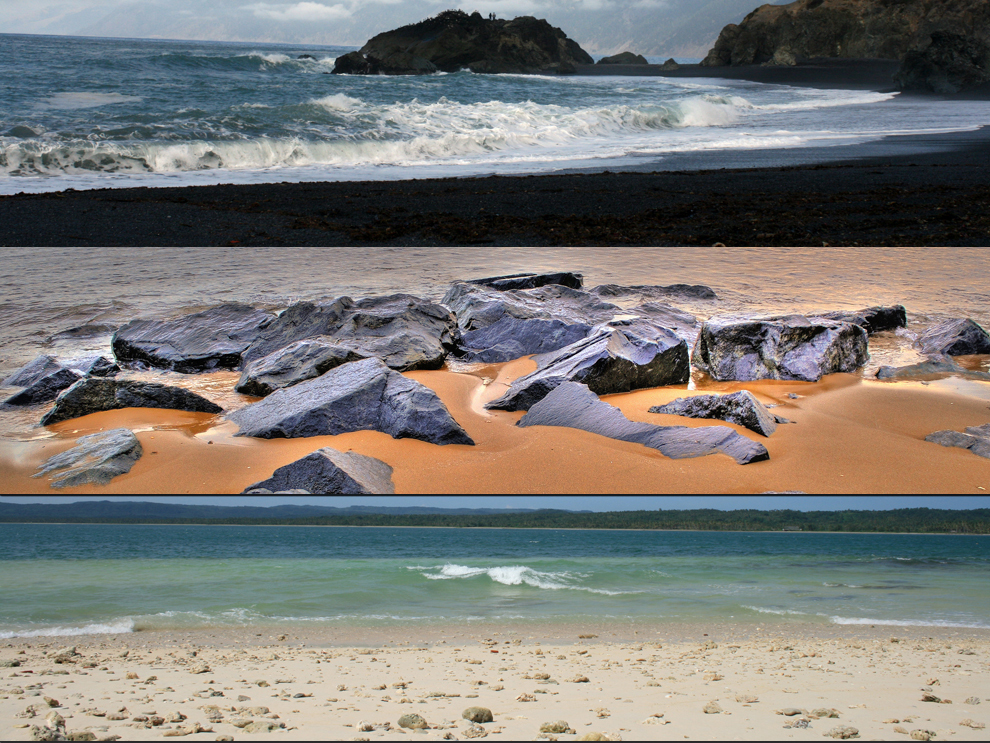
The beach water quality can change rapidly due to rainfall, runoff, tides, and pollution incidents. The water can become contaminated when heavy rainfall washes away materials from roads, agricultural areas, and septic tanks, leading to sudden increases in bacterial levels. Multiple states, along with several nations, have implemented predictive systems to supplement their real-time testing practices due to variations in water quality. The predictive models leverage real-time rainfall and temperature data, along with historical bacterial records, to generate same-day advisories that help beach managers make proactive closure decisions. The U.S. Environmental Protection Agency (EPA) developed software tools and guidelines to support predictive modeling, and many regions now use them.
Sanitary surveys are a crucial tool that involves field investigations to identify pollution sources in watershed and shoreline areas. Managers can enhance long-term water quality by pinpointing and resolving identified pollution sources, allowing them to focus testing on sites and on remediation strategies.
The final step requires effective communication methods to achieve success. Most beach jurisdictions maintain real-time beach status notifications via online portals and mobile apps, along with posted advisories at beach locations. Public trust and safety depend on consistent advisory and closure standards, along with standard testing protocols and complete data transparency.
The practice of beach closures rests on scientific evidence collected throughout many years and modern technological advancements. Public health officials balance beach accessibility with illness risk by combining bacterial tracking with environmental monitoring and predictive modeling. The scientific methodology guarantees beaches are entirely safe for visitors to enjoy when they become accessible.